Snap Circuits Instructions: A Comprehensive Guide
Snap Circuits® offer a fantastic entry point into electronics‚ fostering problem-solving skills and a sense of accomplishment for young‚ aspiring engineers aged five and up.
Understanding Snap Circuits Basics
Snap Circuits® are designed to make learning about electronics incredibly accessible and enjoyable‚ even for beginners. These kits utilize a unique snap-together system‚ eliminating the need for soldering or traditional wiring tools‚ making them exceptionally safe and user-friendly‚ particularly for younger learners.
The core principle revolves around pre-assembled electronic components mounted on plastic modules. These modules easily connect‚ forming functional circuits based on illustrated diagrams found in the included manual. With over 20 projects possible from the beginner kit alone‚ children can quickly grasp fundamental electronic concepts.
The kits emphasize following directions and understanding how different components interact. Elenco‚ the creator of Snap Circuits®‚ has received endorsements from educators globally‚ highlighting their effectiveness in STEM education within schools‚ libraries‚ and museums. The patented Circuit Safe™ feature further enhances safety‚ ensuring a secure learning experience.
What are Snap Circuits?
Snap Circuits® are innovative electronic kits designed to introduce individuals‚ particularly children aged five and up‚ to the fascinating world of electronics in a safe and engaging manner. Unlike traditional electronics learning methods requiring soldering and complex wiring‚ Snap Circuits® utilize a unique snap-together construction system.
Each kit contains a variety of electronic components mounted on plastic modules. These modules feature simple‚ intuitive connections‚ allowing users to build working circuits by simply snapping the pieces together‚ following the color-coded diagrams in the included manual. This hands-on approach fosters problem-solving skills and a deeper understanding of electronic principles.
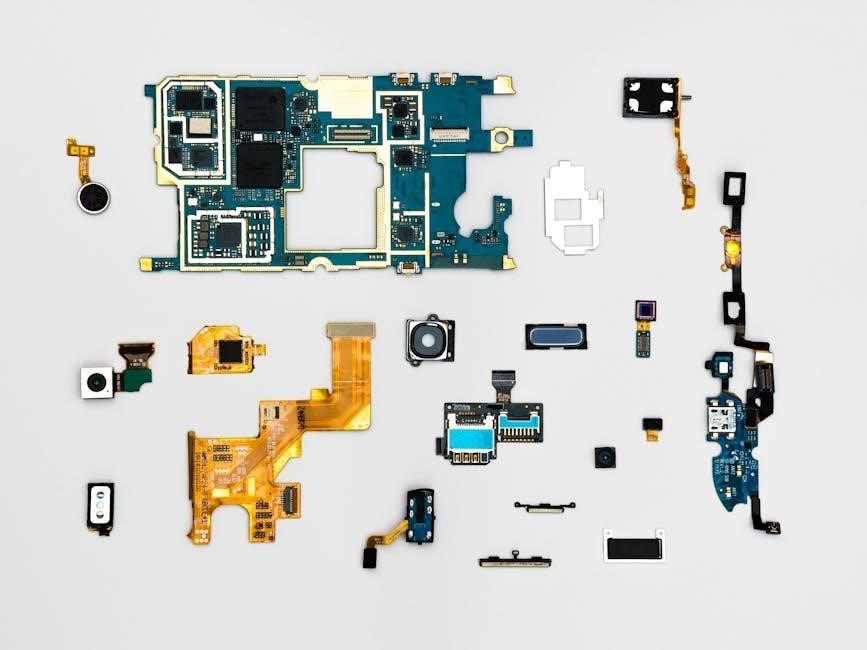
Elenco’s Snap Circuits® aren’t just toys; they are educational tools endorsed by educators worldwide and integrated into STEM programs. They offer a pathway to building projects like FM radios‚ alarms‚ and even electronic games‚ all without the need for specialized tools or prior experience.
Components of a Snap Circuits Kit
A typical Snap Circuits® kit‚ like the Snap Circuits® Beginner kit‚ contains a diverse range of components designed for building numerous projects. These components are securely mounted on plastic modules‚ ensuring ease of handling and connection for young engineers.
Kits generally include essential elements such as resistors‚ LEDs (Light Emitting Diodes)‚ integrated circuits (ICs)‚ and various connectors. You’ll also find components like transistors‚ capacitors‚ and even miniature speakers‚ depending on the kit’s complexity. The Beginner kit boasts 14 distinct parts capable of constructing over 20 different projects.
Crucially‚ Snap Circuits® prioritize safety with the patented Circuit Safe™ feature‚ unique to branded products. Kits require 3 “AA” batteries (sold separately) to power the circuits‚ providing a self-contained and readily available energy source for experimentation and learning.
The Snap Circuits Manual: Your Primary Resource
The Snap Circuits® manual is the cornerstone of the learning experience‚ meticulously designed for clarity and ease of use‚ especially for beginners. It’s not just a list of instructions; it’s a visually-rich guide featuring colorful diagrams that illustrate each project step-by-step.
These diagrams are uniquely structured‚ making it exceptionally easy to follow the connections and component placements. The manual for the Snap Circuits® Beginner kit‚ in particular‚ is praised for its user-friendly approach. It guides users through building over 20 projects‚ progressively introducing electronic concepts.
Beyond the diagrams‚ the manual often includes explanations of how each circuit works‚ fostering a deeper understanding of electronics. It’s the essential companion for navigating the world of Snap Circuits®‚ ensuring a successful and educational building experience.
Safety Precautions When Using Snap Circuits
Snap Circuits® are designed with safety in mind‚ particularly for younger users‚ but responsible use is still paramount. The Circuit Safe™ patented safety device‚ exclusive to Snap Circuits® branded products‚ is a key feature minimizing risk during experimentation.
However‚ always remember that batteries are required for operation – specifically‚ 3 “AA” batteries for many kits (batteries are not included). Ensure proper battery installation and avoid mixing old and new batteries. Adult supervision is recommended‚ especially for children aged five and up‚ to guide them through the projects.
Never attempt to power the circuits with any voltage source other than batteries as specified in the manual. Avoid modifying the components or attempting to disassemble them. Following these precautions ensures a fun and safe learning experience with Snap Circuits®.
Battery Installation and Management
Snap Circuits® typically require 3 “AA” batteries for operation‚ though some advanced kits may utilize different power sources – always consult your kit’s manual. Proper battery installation is crucial for safe and effective use. Ensure the positive (+) and negative (-) terminals align correctly with the markings inside the battery compartment.
It’s best practice to insert batteries with consistent charge levels; mixing old and new batteries can reduce performance and potentially damage the circuit. Regularly check the batteries for corrosion or leakage‚ and replace them immediately if any are detected. Dispose of used batteries responsibly‚ following local regulations for battery recycling.
Remember‚ batteries are not included with most Snap Circuits® kits‚ so you’ll need to purchase them separately. Maintaining good battery management extends the life of your components and ensures a consistently enjoyable building experience.
Identifying Key Components
Snap Circuits® kits contain a variety of components‚ each playing a specific role in completing a circuit. Familiarizing yourself with these parts is essential for successful project building. Core components include resistors‚ LEDs (Light Emitting Diodes)‚ and integrated circuits (ICs)‚ all mounted on easy-to-snap-together plastic modules.

Resistors control the flow of electricity‚ LEDs illuminate to indicate circuit activity‚ and ICs perform more complex functions like sound generation or signal processing. The manual provides clear diagrams illustrating each component’s appearance and function. Pay close attention to the snap-in numbers on each part‚ as these dictate where they connect within a circuit.
Understanding these fundamental building blocks unlocks the potential for creative experimentation and deeper comprehension of electronic principles. Careful component identification prevents errors and ensures your projects function as intended.
Resistors and Their Functions
Resistors are fundamental components in Snap Circuits®‚ controlling the amount of electrical current flowing through a circuit. They limit the flow‚ preventing damage to other components like LEDs or ICs. Resistors are identified by their color bands‚ though Snap Circuits® simplify this with clear labeling on the snap-in modules.
Different resistor values are used for different purposes. Higher resistance restricts current more significantly‚ while lower resistance allows more current to pass. In Snap Circuits® projects‚ resistors often work in conjunction with other components to adjust volume‚ brightness‚ or speed.
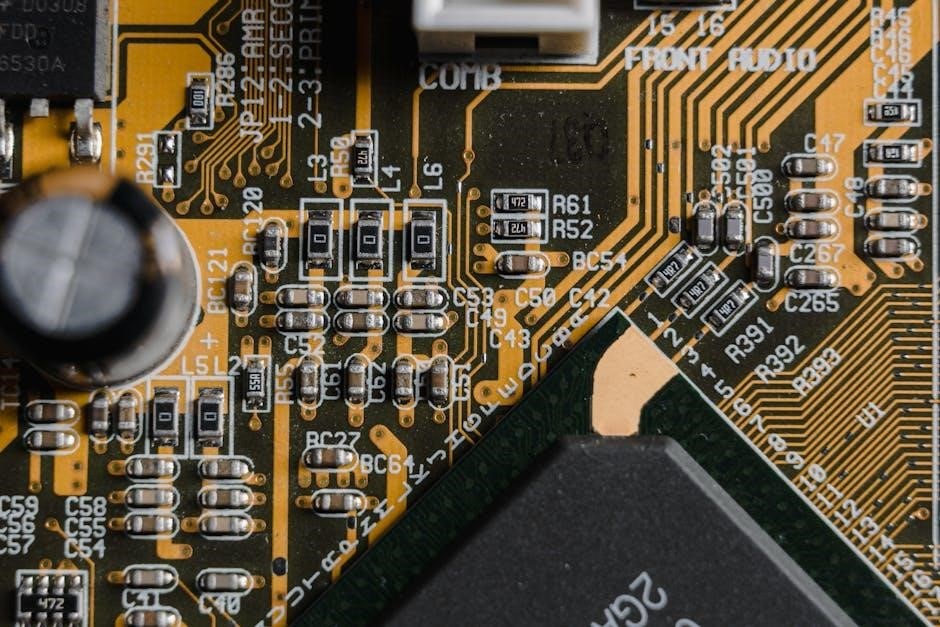
Understanding that resistors manage current flow is key to grasping circuit behavior. They are essential for protecting sensitive components and achieving the desired functionality in your projects. Correct placement‚ as indicated in the manual‚ is crucial for proper operation.
LEDs (Light Emitting Diodes)
LEDs (Light Emitting Diodes) are semiconductor light sources used in Snap Circuits® to visually indicate when a circuit is functioning or to create light-based effects. They are easily identifiable by their two legs – a longer anode (+) and a shorter cathode (-). Proper polarity is essential; LEDs only illuminate when current flows in the correct direction.
In Snap Circuits®‚ LEDs often require a resistor in series to limit the current and prevent them from burning out. The manual diagrams clearly illustrate the correct placement of both the LED and the necessary resistor. Without a resistor‚ the LED may fail quickly.
Experimenting with LEDs allows you to understand basic circuit principles and observe the results of your connections. They are a fun and visually rewarding component to incorporate into your Snap Circuits® creations‚ demonstrating the power of electricity.
Integrated Circuits (ICs)
Integrated Circuits (ICs) are the “brains” behind many Snap Circuits® projects‚ performing specific functions like sound generation‚ light control‚ or signal processing. These small‚ black components contain numerous transistors and other electronic elements within a single package. They are pre-programmed to execute a particular task when power is applied.
Snap Circuits® utilize ICs to create more complex behaviors than simple circuits with resistors and LEDs alone. The manual provides detailed instructions on how to connect ICs and what functions they perform in each project. Correct orientation isn’t usually critical with Snap Circuits® ICs‚ but the diagrams must be followed carefully.
ICs unlock a world of possibilities‚ enabling projects like FM radios‚ digital voice recorders‚ and electronic games. Understanding how ICs work‚ even at a basic level‚ enhances your grasp of electronics and circuit design within the Snap Circuits® system.
Building Your First Snap Circuits Project
Embarking on your first Snap Circuits® project is an exciting step! Begin with a simple project from the included manual – the beginner kits often feature a basic light or sound circuit. Carefully unpack your kit and identify all the components. The manual’s color-coded diagrams are your primary guide; each component is clearly illustrated and numbered.
Snap the components together firmly onto the base grid‚ following the diagram precisely. Ensure each connection is secure. Remember‚ Snap Circuits® are designed for easy assembly‚ requiring no soldering or tools. Double-check your work against the diagram before inserting batteries.
This initial build fosters problem-solving and direction-following skills. The satisfaction of a working circuit builds confidence and encourages further exploration of electronics.
Following the Project Diagrams
The Snap Circuits® manual’s diagrams are meticulously designed for clarity‚ acting as your roadmap to successful builds. Each project features a step-by-step visual guide‚ utilizing color-coding to differentiate components and their connections. Pay close attention to the orientation of each part – some components only function when aligned correctly.
Trace the circuit path carefully‚ ensuring each snap connection corresponds to the diagram. The diagrams illustrate how components interact‚ demonstrating the flow of electricity. Before snapping‚ verify you have the correct component; the manual provides clear images and part numbers.
These diagrams aren’t just instructions; they’re visual lessons in electronics. Understanding how to interpret them is key to unlocking the full potential of your Snap Circuits® kit and building increasingly complex projects.
Troubleshooting Common Issues
Encountering problems is a natural part of learning with Snap Circuits®. If your circuit isn’t working‚ begin by checking the battery installation – ensure they’re fresh and correctly positioned. A common issue is loose connections; firmly press each component onto the snaps to guarantee a secure fit.
Incorrect component placement is another frequent culprit. Double-check your build against the project diagram‚ verifying each part’s position and orientation. If there’s no power‚ systematically review the circuit path‚ looking for breaks or misconnections.
Sometimes‚ a component might be faulty‚ though this is rare. Try substituting it with an identical part from your kit. Remember‚ patience and methodical checking are your best tools for resolving issues and enjoying the learning process with Snap Circuits®.
No Power/Circuit Not Working
If your Snap Circuit® project fails to power on‚ the first step is verifying the batteries. Ensure you’re using fresh “AA” batteries‚ as depleted ones are a common cause of issues. Confirm they are inserted with the correct polarity – positive and negative ends aligned properly within the battery snap.
Next‚ meticulously inspect all connections. Each component must be firmly snapped onto the base and to adjacent parts. Loose connections interrupt the circuit’s flow‚ preventing operation. Trace the circuit path as shown in the diagram‚ looking for any gaps or insecure snaps.

A break anywhere in the circuit will halt power. Systematically check each component and connection point. If the problem persists‚ consider testing the batteries with a voltmeter to confirm they are providing sufficient voltage;
Incorrect Component Placement
A frequent cause of Snap Circuits® malfunctions is misplacing components. The project diagrams are meticulously designed‚ and substituting parts or positioning them incorrectly disrupts the intended circuit flow. Carefully compare your build to the manual’s illustration‚ ensuring each component occupies its designated snap location.
Even a seemingly minor deviation can prevent the circuit from functioning. Pay close attention to the orientation of components like LEDs and integrated circuits (ICs)‚ as they often have specific directional requirements. Double-check that resistors are placed in the correct spots‚ as their values are crucial for proper operation.

Referencing the color-coded manual is essential. It provides clear‚ visual guidance for accurate component placement‚ ensuring a successful build and a working project.

Loose Connections
Snap Circuits® rely on secure connections between components for proper functionality. A common issue is loose snaps‚ preventing electrical current from flowing correctly. Gently but firmly press each component onto its base until you hear or feel a distinct ‘click‚’ indicating a solid connection.
Inspect all snaps visually to confirm they are fully engaged. Sometimes‚ a component may appear connected but isn’t making full contact. Wiggle each component slightly to test its stability; any movement suggests a loose connection needing adjustment.
Ensure the base plates themselves are securely connected if your project involves multiple bases. A shaky foundation can lead to intermittent or complete circuit failure. Consistent‚ firm snaps are key to a reliable and enjoyable Snap Circuits® experience.
Expanding Your Snap Circuits Knowledge
Beyond the initial projects‚ a deeper understanding of electronics unlocks the full potential of Snap Circuits®. Familiarizing yourself with fundamental electronic symbols – resistors‚ LEDs‚ integrated circuits – provides insight into how each component contributes to the overall circuit function.
Don’t limit yourself to the manual’s provided projects. Experiment with component arrangements‚ cautiously exploring variations to observe their effects. This hands-on approach fosters a stronger grasp of electronic principles and encourages creative problem-solving.
Numerous online resources and communities cater to Snap Circuits® enthusiasts‚ offering advanced project ideas‚ troubleshooting tips‚ and a platform to share creations. Continued learning transforms Snap Circuits® from a toy into a powerful educational tool.
Understanding Electronic Symbols
Recognizing electronic symbols is crucial for progressing beyond simply following project diagrams. Resistors‚ often depicted as a zig-zag line‚ control current flow within a circuit. LEDs (Light Emitting Diodes)‚ symbolized by a diode with arrows pointing outwards‚ emit light when current passes through them.
Integrated Circuits (ICs)‚ represented by a rectangle with pins‚ are complex components containing numerous circuits within a single package. Understanding these symbols allows you to interpret schematics and predict circuit behavior.
Snap Circuits® cleverly abstracts away much of the complexity‚ but recognizing these core symbols provides a foundation for future exploration of electronics. It bridges the gap between playful building and genuine electronic comprehension‚ empowering you to design and troubleshoot more effectively.
Exploring Advanced Projects
Beyond the beginner kits‚ Snap Circuits® offers increasingly complex projects that delve deeper into electronic principles. These advanced builds often incorporate more ICs‚ resistors‚ and LEDs‚ demanding a stronger grasp of circuit behavior. Expect to construct projects like functional AM/FM radios‚ sophisticated burglar alarms with enhanced sensitivity‚ and even digital voice recorders.
Successfully tackling these projects requires careful attention to detail and a willingness to troubleshoot. Don’t hesitate to revisit the fundamentals – understanding component functions and circuit diagrams is paramount. Experimenting with component placement and values (where possible) can unlock new functionalities and deepen your understanding.
These advanced builds aren’t just about following instructions; they’re about applying knowledge and fostering a genuine passion for electronics.

Resources for Further Learning
Elenco’s official website (shop.elenco.com) serves as a primary hub for Snap Circuits® enthusiasts‚ offering additional project ideas‚ component information‚ and frequently asked questions. Online forums and communities dedicated to Snap Circuits® provide a platform for sharing builds‚ troubleshooting issues‚ and learning from fellow hobbyists.
Educational institutions frequently incorporate Snap Circuits® into STEM programs‚ libraries‚ and museums‚ offering workshops and guided learning experiences. Exploring these local resources can provide hands-on support and mentorship. Numerous online tutorials and videos demonstrate advanced techniques and project builds‚ supplementing the included manual.
Remember‚ the journey of learning electronics is continuous. Embrace experimentation‚ seek out new challenges‚ and utilize the wealth of resources available to expand your knowledge and skills with Snap Circuits®!