Animal Farm Study Guide Questions and Answers PDF: A Comprehensive Plan
This comprehensive plan offers detailed chapter-by-chapter questions, aiding students in understanding George Orwell’s Animal Farm. It includes analysis assignments, discussion points, and a quote journal for deeper engagement with the book.
The study guide is designed for ease of teaching, providing ideas for educators to facilitate student learning and explore Orwell’s critique of Stalin’s Soviet Union.
Resources focus on unifying the farm’s members through education, while examining themes of power, corruption, and social inequality within the allegorical narrative.
George Orwell, born Eric Arthur Blair in 1903, was a prolific English novelist, essayist, journalist, and critic. His work is characterized by insightful social commentary and a commitment to democratic socialism. Orwell’s experiences during the Spanish Civil War profoundly shaped his political views, leading him to become a staunch critic of totalitarianism.
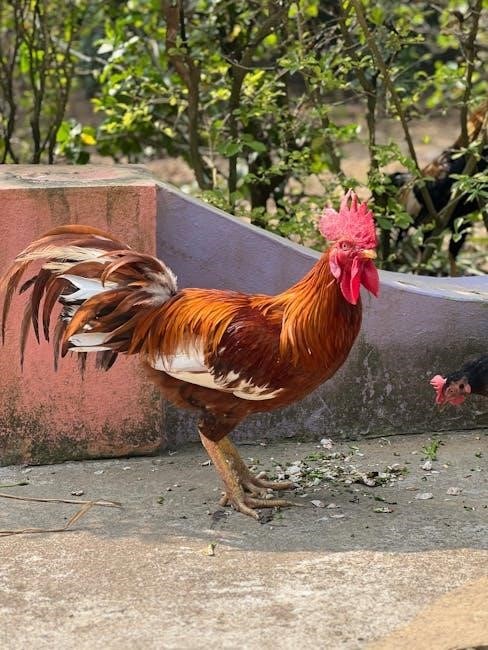
Animal Farm, published in 1945, stands as Orwell’s most famous allegorical novella. It’s a satirical critique of the Russian Revolution and the subsequent Stalinist era, cleverly disguised as a tale of farm animals who overthrow their human farmer. The book explores themes of power, corruption, and the dangers of unchecked authority.
Understanding Orwell’s background and the historical context is crucial for interpreting the novel’s layers of meaning. This study guide aims to provide a framework for analyzing the characters, symbols, and allegorical connections within Animal Farm. It will help students delve into Orwell’s intentions and the enduring relevance of his message regarding political manipulation and societal control. The PDF resources will enhance comprehension.
Historical Context of Animal Farm
Animal Farm is deeply rooted in the tumultuous period of the Russian Revolution (1917) and the rise of Stalinism. The novel serves as an allegory, mirroring the events and figures of this era. The overthrow of Mr. Jones represents the Bolshevik Revolution, where the Tsarist regime was toppled.
Old Major embodies Karl Marx and Vladimir Lenin, inspiring the animals with a vision of a utopian society free from human oppression. Napoleon, the cunning pig, symbolizes Joseph Stalin, who consolidated power through manipulation and brutality. Snowball, representing Leon Trotsky, was exiled and demonized by Napoleon, mirroring historical events.
When the book was published in 1945, the United Kingdom was allied with Stalin’s Soviet Union. Orwell aimed to expose the realities of Stalin’s totalitarian rule, challenging the prevailing pro-Soviet sentiment. This study guide emphasizes understanding this context to fully grasp Orwell’s critique. The PDF resources will provide further historical details, aiding in a comprehensive analysis of the novel’s allegorical connections and political commentary.
Chapter 1: Old Major’s Speech ⎻ Key Questions
This section of the study guide focuses on the pivotal opening chapter, analyzing Old Major’s influential speech. Key questions explore the core tenets of Animalism – the ideology advocating for animal liberation from human tyranny. Consider: What are the main grievances Old Major articulates against Mr. Jones and humanity?
How does Old Major use rhetoric and emotional appeals to persuade the other animals? What is the significance of the song “Beasts of England”? How does Major’s speech foreshadow the events to come? The PDF resource provides detailed analysis prompts.
Students should examine the symbolism within the speech – what do the animals represent, and what does the farm symbolize? This chapter establishes the foundational principles of the revolution. Understanding Old Major’s motivations and the impact of his words is crucial for interpreting the entire novel. This study guide encourages critical thinking about the power of ideas and the seeds of rebellion, preparing students for deeper analysis in subsequent chapters.
Chapter 2: The Rebellion ⸺ Comprehension Check
This chapter marks the turning point – the actual overthrow of Mr. Jones and the establishment of Animal Farm. The study guide’s comprehension check assesses understanding of the events leading to the rebellion and its immediate aftermath. Key questions include: What triggers the final act of rebellion? How do the animals manage to drive Mr. Jones off the farm?
What are the first actions taken by the animals after securing the farm? What changes are made to the farm’s appearance and organization? How are the Seven Commandments established, and what is their purpose? The PDF resource offers detailed prompts for analysis.
Students should analyze the animals’ initial enthusiasm and sense of liberation. Consider the roles played by different animals during the rebellion. This chapter demonstrates the power of collective action, but also hints at potential challenges in maintaining unity and order. This section of the study guide encourages students to evaluate the immediate consequences of revolution and the establishment of a new social order.
Chapter 3: Early Days of Animalism ⎻ Discussion Points
This chapter explores the initial implementation of Animalism and the animals’ attempts to create a new, egalitarian society. The study guide’s discussion points focus on the successes and challenges of this period. Questions include: How do the animals adapt to managing the farm themselves? What difficulties do they encounter, and how do they attempt to overcome them?
What role does Snowball play in organizing the animals and establishing routines? How does Squealer use propaganda to explain complex ideas and maintain control? The PDF resource prompts critical thinking about the animals’ motivations and the emerging power dynamics.
Discussion should center on the animals’ efforts to improve their lives through education and collective labor. Consider the significance of the harvest and the animals’ initial pride in their accomplishments. This section of the study guide encourages students to analyze the complexities of building a new society and the potential for unintended consequences, even with noble intentions.
Chapter 4: The Battle of the Cowshed ⎻ Analysis Questions
This chapter marks a turning point, introducing external conflict and solidifying the animals’ resolve. The study guide’s analysis questions delve into the strategic and symbolic importance of the Battle of the Cowshed. Students are prompted to examine: What motivates Mr. Jones’s attack, and how prepared are the animals for his return?
How does the battle demonstrate the animals’ newfound unity and courage? What roles do Snowball, Boxer, and the other animals play in defending the farm? The PDF resource encourages a close reading of the battle’s details, focusing on the tactics employed by both sides.
Analysis should explore the significance of the animals’ victory and its impact on their morale. Consider how the battle reinforces the principles of Animalism and strengthens their commitment to self-governance. This section of the study guide fosters critical thinking about themes of defense, resistance, and the preservation of revolutionary ideals, even in the face of adversity.
Chapter 5: Snowball and Napoleon’s Rivalry ⎻ Character Study
This chapter intensifies the power struggle between Snowball and Napoleon, laying the groundwork for Napoleon’s eventual dictatorship. The study guide’s character study prompts students to analyze the contrasting leadership styles and ideologies of these two pigs. Questions focus on: How does Snowball attempt to improve life on the farm, and what are his key proposals?
How does Napoleon undermine Snowball’s efforts and consolidate his own power? The PDF resource encourages a detailed examination of their interactions, focusing on their rhetoric, actions, and the reactions of the other animals. Students are asked to identify specific instances where each pig demonstrates ambition, intelligence, and manipulative tendencies.
This section of the study guide fosters critical thinking about the nature of leadership, the dangers of unchecked ambition, and the subtle ways in which power can be abused. Consider how Orwell uses these characters to represent different factions within the Russian Revolution and explore the allegorical significance of their rivalry.
Chapter 6: Building the Windmill ⎻ Critical Thinking
This chapter marks a turning point in Animal Farm, as the animals embark on the arduous task of building the windmill. The study guide’s critical thinking questions challenge students to analyze the symbolism of the windmill and its impact on the farm’s community. Prompts include: What does the windmill represent to the animals, and how does it embody their hopes for a better future?
The PDF resource encourages students to evaluate the practicality of the project, considering the animals’ limited resources and skills. Questions explore the motivations behind their relentless labor and the sacrifices they make. How does Napoleon exploit the animals’ dedication to the windmill for his own gain?
This section of the study guide promotes discussion about the themes of progress, innovation, and the potential for utopian ideals to be corrupted. Students are asked to consider the ethical implications of prioritizing collective goals over individual well-being and to analyze Orwell’s commentary on the dangers of totalitarian regimes.
Chapter 7: The Windmill’s Destruction ⸺ Plot Development
This chapter dramatically shifts the narrative with the devastating destruction of the newly completed windmill. The study guide’s questions focus on analyzing this event as a crucial turning point in the plot and its impact on the animals’ morale. Students are prompted to examine the immediate aftermath of the destruction and the animals’ reactions to this setback.
The PDF resource encourages students to consider the question of responsibility: Who is to blame for the windmill’s collapse? How does Napoleon skillfully manipulate the situation to consolidate his power and scapegoat Snowball? Analysis questions delve into the propaganda used to convince the animals that Snowball was a saboteur.
This section of the study guide promotes discussion about the themes of betrayal, deception, and the fragility of revolutionary ideals. Students are asked to trace the development of Napoleon’s totalitarian control and to evaluate the effectiveness of his propaganda techniques. The questions also explore the escalating hardship faced by the animals and the erosion of their initial hopes for a better life.
Chapter 8: Boxer’s Dedication ⎻ Theme Exploration
This chapter profoundly explores the theme of unwavering dedication, embodied by the tireless work ethic of Boxer. The study guide’s questions center on analyzing Boxer’s character as a symbol of the exploited working class and his tragic fate. Students are challenged to examine his mottos – “I will work harder” and “Napoleon is always right” – and their implications.
The PDF resource prompts critical thinking about the dangers of blind loyalty and the manipulation of ideals. Questions focus on how Napoleon exploits Boxer’s dedication for his own gain, ignoring the horse’s well-being. Analysis delves into the irony of Boxer’s ultimate fate, contrasting his selfless service with his eventual betrayal.
This section of the study guide encourages discussion on themes of exploitation, sacrifice, and the corrupting influence of power. Students are asked to evaluate the animals’ complicity in Boxer’s fate and to consider the broader implications of his story. The questions also explore the increasing hardship and dwindling rations, highlighting the animals’ deteriorating conditions despite their relentless efforts.
Chapter 9: Increasing Hardship & Napoleon’s Control ⎻ Symbolism
This chapter, as explored in the study guide PDF, dramatically illustrates the escalating hardships faced by the animals and Napoleon’s tightening grip on power. Questions focus on analyzing the symbolism of dwindling rations and increased work demands, representing the oppressive conditions of a totalitarian regime.
The study guide prompts students to examine how Napoleon manipulates propaganda and revises history to maintain control. Discussion points center on the significance of the sugar lump incident and the animals’ unquestioning acceptance of Napoleon’s explanations. Analysis delves into the symbolism of the farmhouse, representing the privileges enjoyed by the ruling pigs.
The PDF resource encourages critical thinking about the themes of social inequality and the abuse of power. Students are asked to identify instances of manipulation and control, and to evaluate the animals’ responses. Questions also explore the symbolism of the flag, representing the distorted ideals of Animalism. This section emphasizes Orwell’s commentary on the dangers of unchecked authority and the erosion of revolutionary principles.
Chapter 10: The Final Transformation ⎻ Allegory & Interpretation
The study guide PDF for Chapter 10 centers on the shocking final scene and its allegorical significance. Questions prompt students to interpret the pigs’ transformation into humans, symbolizing the complete betrayal of the original revolutionary ideals and the indistinguishability of oppressors.
Discussion points within the PDF resource focus on the meaning of the altered commandment, “All animals are equal, but some animals are more equal than others,” highlighting the inherent hypocrisy of the new ruling class. Analysis questions explore how Orwell uses satire to critique the Russian Revolution and the rise of Stalinism.
The study guide encourages students to consider the broader implications of the novel’s ending, questioning whether revolutions inevitably lead to corruption. It asks students to analyze the animals’ inability to remember the original principles of Animalism, representing the manipulation of history and the loss of collective memory. This chapter’s interpretation is crucial for understanding Orwell’s warning about the dangers of totalitarianism and the importance of vigilance against power abuse.
Character Analysis: Napoleon
The Animal Farm study guide PDF dedicates significant attention to Napoleon, analyzing his ruthless rise to power. Questions explore his manipulative tactics, including the use of propaganda through Squealer and the elimination of Snowball as a scapegoat. Students are prompted to identify instances where Napoleon prioritizes personal gain over the welfare of the farm.
The PDF resource encourages a close reading of Napoleon’s actions, examining how he gradually consolidates control, mirroring Stalin’s ascent in the Soviet Union. Discussion points focus on his use of fear and intimidation, particularly through the dogs, to suppress dissent and maintain authority.
Analysis questions within the study guide delve into Napoleon’s character flaws – his ambition, deceitfulness, and lack of empathy. Students are asked to consider whether Napoleon represents a specific historical figure or embodies a more universal archetype of a power-hungry dictator. The guide emphasizes Napoleon’s ultimate transformation into a human-like figure, signifying the corruption of revolutionary ideals.
Character Analysis: Snowball
The Animal Farm study guide PDF presents Snowball as a complex character, initially portrayed as a dedicated and intelligent leader. Questions within the resource prompt students to analyze his contributions to the early days of Animalism, particularly his role in formulating the Seven Commandments and planning the windmill.
However, the PDF also emphasizes Snowball’s eventual demonization by Napoleon and Squealer. Analysis focuses on how propaganda is used to distort his image and falsely accuse him of sabotage, ultimately leading to his expulsion from the farm. Students are encouraged to consider the motivations behind Napoleon’s relentless campaign against Snowball.
Discussion points within the study guide explore whether Snowball represents Leon Trotsky, a historical figure exiled by Stalin. The guide asks students to evaluate Snowball’s genuine intentions versus the narrative constructed by Napoleon. Ultimately, the study guide encourages a nuanced understanding of Snowball, recognizing him as a potential force for positive change unjustly vilified for political gain.
Character Analysis: Squealer
The Animal Farm study guide PDF meticulously dissects Squealer’s role as Napoleon’s chief propagandist. Questions within the resource focus on his manipulative rhetoric and ability to twist facts to maintain the pigs’ control. Students are prompted to identify specific instances where Squealer alters historical events or redefines the Seven Commandments to suit Napoleon’s agenda.
The PDF highlights Squealer’s persuasive skills and his talent for exploiting the other animals’ lack of critical thinking. Analysis centers on how he uses fear and intimidation to silence dissent and enforce obedience. The study guide encourages students to examine Squealer’s language, noting his use of euphemisms and logical fallacies.
Discussion points explore Squealer’s representation of the Soviet press under Stalin, emphasizing his function as a tool of totalitarian control. The study guide asks students to evaluate the effectiveness of Squealer’s propaganda and its impact on the farm’s inhabitants. Ultimately, the resource portrays Squealer as a chilling example of how language can be weaponized to suppress truth and maintain power.
Character Analysis: Boxer
The Animal Farm study guide PDF extensively analyzes Boxer, the steadfast and hardworking carthorse, focusing on his unwavering dedication and tragic fate. Questions within the resource prompt students to explore Boxer’s character traits – his immense strength, loyalty, and simple-mindedness – and how these contribute to his exploitation.
The PDF emphasizes Boxer’s personal motto, “I will work harder,” as a symbol of the working class’s blind faith and relentless labor under oppressive regimes. Analysis centers on his unquestioning obedience to Napoleon and his willingness to sacrifice everything for the farm, despite the diminishing returns.
Discussion points within the study guide examine Boxer’s ultimate betrayal and his fate at the knacker’s, highlighting the pigs’ callous disregard for those who contribute to their power. Students are encouraged to consider Boxer as a representation of the proletariat, whose efforts are ultimately used against them. The resource explores the thematic significance of his death, emphasizing the dangers of blind loyalty and the fragility of revolutionary ideals.
Key Themes in Animal Farm: Power & Corruption
The Animal Farm study guide PDF dedicates significant attention to the central theme of power and corruption, prompting students to analyze how the initial ideals of Animalism are systematically subverted. Questions within the resource focus on the pigs’ gradual ascent to dominance and their manipulation of the other animals.
The PDF encourages exploration of Napoleon’s tactics – propaganda, fear, and revisionist history – as tools to consolidate his control. Analysis centers on how language is weaponized by Squealer to distort truth and justify the pigs’ increasingly luxurious lifestyle. Students are asked to identify specific instances of corruption and their impact on the farm’s inhabitants.
Discussion points within the study guide examine the parallels between the events on Animal Farm and the corruption inherent in totalitarian regimes. The resource emphasizes how absolute power corrupts absolutely, leading to the exploitation and oppression of the vulnerable. It prompts critical thinking about the cyclical nature of power dynamics and the importance of vigilance against tyranny.
Key Themes in Animal Farm: Social Inequality
The Animal Farm study guide PDF thoroughly investigates the theme of social inequality, prompting students to dissect the stark divisions that emerge on the farm after the rebellion. Questions within the resource focus on the evolving hierarchy, where the pigs progressively exploit the labor of other animals – particularly Boxer – for their own benefit.
The PDF encourages analysis of how the Seven Commandments are subtly altered to justify the pigs’ privileges, creating a system where “all animals are equal, but some animals are more equal than others.” Students are guided to identify specific examples of unequal treatment and the resulting hardships faced by the working class animals.
Discussion points within the study guide explore the parallels between the farm’s social structure and the class divisions prevalent in human societies. The resource emphasizes how propaganda and control are used to maintain this inequality, preventing the animals from recognizing their own oppression. It fosters critical thinking about the dangers of unchecked power and the importance of social justice.
Key Themes in Animal Farm: Propaganda & Control
The Animal Farm study guide PDF dedicates significant attention to the pervasive themes of propaganda and control, offering questions designed to reveal how the pigs manipulate information to maintain their dominance. Students are prompted to analyze Squealer’s role as the master propagandist, examining his skillful distortion of facts and use of persuasive rhetoric.
The PDF resource highlights how the pigs rewrite history, suppress dissent, and utilize fear tactics to control the other animals’ thoughts and actions. Questions focus on identifying specific instances of propaganda, such as the changing of the Seven Commandments and the glorification of Napoleon’s leadership.
Discussion points within the study guide explore the techniques Orwell employs to expose the dangers of totalitarian regimes and the importance of critical thinking. The resource encourages students to consider how propaganda operates in real-world contexts and the consequences of blindly accepting information. It emphasizes the necessity of questioning authority and safeguarding freedom of thought.
Symbolism in Animal Farm: The Windmill
The Animal Farm study guide PDF extensively analyzes the windmill as a central symbol within Orwell’s narrative, prompting students to decipher its multifaceted meanings. Questions within the PDF resource guide learners to understand the windmill’s initial representation of progress, hope, and the animals’ collective ambition for a better future.
However, the study guide also directs attention to the windmill’s evolving symbolism, particularly after its repeated destruction and reconstruction. Students are encouraged to explore how it comes to represent the pigs’ exploitation of the other animals’ labor and Napoleon’s relentless pursuit of power, regardless of the cost.
Discussion points within the PDF delve into the windmill’s connection to Stalin’s ambitious industrialization projects in the Soviet Union. The resource facilitates an understanding of how Orwell uses the windmill to critique the unrealistic promises and devastating consequences of totalitarian regimes. It emphasizes the importance of recognizing symbols and their deeper implications within the allegory.
Allegory of Animal Farm: Relating to the Russian Revolution
The Animal Farm study guide PDF meticulously unpacks the novel’s allegorical relationship to the Russian Revolution, providing students with a framework for understanding Orwell’s political commentary. Questions within the PDF resource prompt analysis of character parallels – Napoleon representing Stalin, Snowball mirroring Trotsky, and Old Major embodying Marx or Lenin.
The study guide emphasizes how the farm’s events mirror key moments in Russian history, from the overthrow of the Tsar (Mr. Jones) to the subsequent power struggles and the rise of a totalitarian state. Students are guided to identify how the pigs’ manipulation of language and propaganda reflects the Soviet regime’s control over information.
Furthermore, the PDF encourages exploration of how the animals’ initial ideals of equality and liberation are betrayed, mirroring the disillusionment that followed the Russian Revolution. It highlights Orwell’s intention to demonstrate the dangers of unchecked power and the corruption inherent in revolutionary movements, offering a critical perspective on historical events.
PDF Resources & Study Guide Availability
Comprehensive Animal Farm study guide PDFs, designed to enhance understanding of Orwell’s allegorical masterpiece, are readily accessible for both educators and students. These resources, including Sherice Blair’s illustrated edition with CSEC focus, offer detailed chapter questions and analysis prompts.
Many PDF versions incorporate teacher’s books with suggestions for facilitating classroom discussions and assignments, ensuring a smooth and engaging learning experience. The modules are intentionally designed for ease of teaching, providing adaptable materials for diverse learning environments.
Students can benefit from quote journals and various analytical tasks included within the study guide PDFs, fostering critical thinking and deeper engagement with the text. These resources are often available through educational websites, online bookstores, and school learning platforms. Accessing these PDF materials provides a structured approach to exploring the novel’s themes, characters, and historical context.