Understanding the Bravo Reflux Recorder
The Bravo reflux recorder meticulously documents acid reflux events and patient activities for a maximum duration of 96 hours, aiding in diagnostic precision.
What is the Bravo Reflux Recorder?
The Bravo Reflux Recorder is a small, disposable capsule, approximately the size of a vitamin pill, temporarily attached to the esophageal lining during an upper endoscopy procedure. This innovative device wirelessly transmits pH data to a handheld receiver, allowing for continuous monitoring of acid reflux over a period of up to 96 hours.
Unlike traditional pH monitoring methods, the Bravo system doesn’t require a cumbersome wire extending from your nose or mouth. The receiver, worn comfortably on your belt or pocket, records when and for how long acid travels up your esophagus. It’s designed to capture real-world reflux events as you go about your daily routines, providing a comprehensive assessment of your condition.
Purpose of the Bravo pH Monitoring Test
The primary purpose of the Bravo pH monitoring test is to objectively measure the amount of acid reflux occurring in your esophagus and correlate it with any symptoms you may be experiencing. This test helps determine if your symptoms, such as heartburn or regurgitation, are actually caused by acid reflux, and if so, how frequently and for how long the acid exposure lasts.
It’s crucial for evaluating the effectiveness of current treatments and guiding decisions about potential lifestyle changes or medication adjustments. The test aims to understand the relationship between acid reflux episodes and your daily activities, including meals, lying down, and symptom onset, providing valuable insights for personalized care.

Preparing for the Bravo Test
Prior to the test, specific dietary restrictions and medication adjustments may be necessary; carefully follow your doctor’s instructions for optimal results.
Dietary Restrictions Before the Test
To ensure accurate results from your Bravo pH monitoring test, adhering to specific dietary guidelines beforehand is crucial. Generally, you’ll be asked to avoid foods and beverages known to increase stomach acid production for at least 24-48 hours prior to the procedure. This includes, but isn’t limited to, caffeine (coffee, tea, soda), chocolate, alcohol, spicy foods, fatty foods, citrus fruits and juices, and carbonated beverages;
It’s also important to refrain from eating or drinking anything for a specified period – typically several hours – before the capsule placement. Your physician will provide detailed, personalized instructions regarding fasting requirements. Following these dietary restrictions helps minimize interference with the test’s ability to accurately measure acid reflux events and correlate them with your symptoms.
Medication Adjustments Before the Test
Prior to undergoing the Bravo pH monitoring test, it’s essential to discuss all medications you are currently taking with your doctor. Certain medications can significantly impact the test results, potentially leading to inaccurate diagnoses. Specifically, proton pump inhibitors (PPIs) – like omeprazole or lansoprazole – and H2 receptor antagonists – such as ranitidine or famotidine – which reduce stomach acid, often need to be temporarily discontinued.
Your physician will provide specific instructions regarding when to stop and restart these medications, typically several days before the test. Do not alter your medication regimen without explicit guidance from your healthcare provider. Other medications, including those for conditions unrelated to reflux, should also be reviewed to ensure they won’t interfere with the test’s accuracy.

Using the Bravo Reflux Recorder

The Bravo recorder actively monitors reflux data and patient actions, requiring consistent symptom button presses and a detailed activity diary for accurate results.
Activating the Recorder
Upon capsule placement, the Bravo reflux recorder automatically begins its recording process after a short initialization period. However, crucial functionality, specifically the symptom buttons, remains inactive until the backlight is illuminated. To activate the system for symptom logging, firmly press and release the backlight button located on the device. This action will awaken the recorder, enabling you to accurately document episodes of heartburn, regurgitation, and meals. Remember, all button functions are solely operational when the backlight is visibly on; pressing buttons with the backlight off will have no effect. Consistent backlight activation is key to effective symptom correlation during the monitoring period.
Symptom Button Functions
The Bravo recorder features dedicated buttons for precise symptom tracking. The Heartburn/Regurgitation button should be pressed immediately when experiencing either symptom, providing a direct correlation to reflux events. Utilize the Meal button to log each mealtime, noting the start of consumption. Crucially, press the Lie Down/Bed button whenever your upper body is inclined at 45 degrees or lower – and again upon standing. These actions help establish a link between posture and reflux. Remember, these buttons are only active when the backlight is illuminated. Accurate and timely button presses are vital for a comprehensive pH study analysis.
Heartburn/Regurgitation Button
The Heartburn/Regurgitation button on your Bravo recorder is paramount for accurate data collection. Press this button immediately upon experiencing either heartburn – a burning sensation in your chest – or regurgitation, the backflow of stomach contents into your esophagus. Do not delay; prompt activation is crucial for correlating symptoms with detected acid reflux episodes. Each press registers a symptom event, allowing physicians to analyze the relationship between your reported sensations and the pH measurements. Consistent and timely use of this button throughout the monitoring period is essential for a successful and informative pH study.
Meal Button
The Meal Button on the Bravo reflux recorder is vital for establishing a connection between your eating habits and potential reflux events. Press this button immediately before you begin eating each meal or snack, and hold it down until you’ve finished. This action signals the recorder to note the timing of your food intake, allowing doctors to assess if and how meals trigger acid reflux. Accurate meal logging is crucial; even small snacks should be recorded. Consistent use of the Meal Button provides valuable data for understanding your individual reflux patterns and identifying potential dietary triggers during the study.
Lie Down/Bed Button
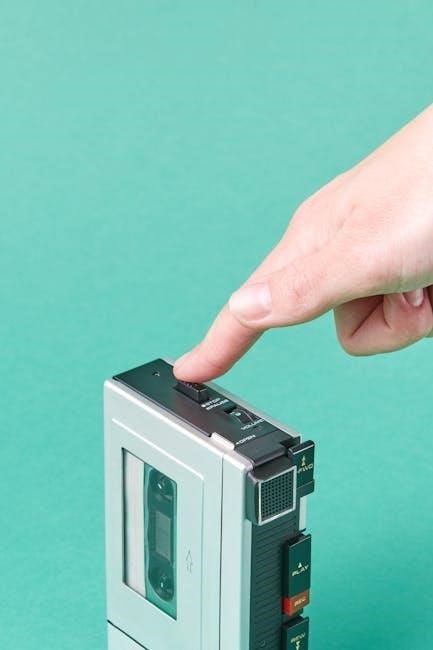
The Lie Down/Bed Button is essential for correlating body position with reflux episodes during your Bravo monitoring. Press and hold this button whenever you recline at a 45-degree angle or lower – this includes lying down, resting in a recliner, or going to bed. Remember to press the button again when you return to an upright position. This dual-action logging accurately captures periods of potential increased reflux due to gravity. Consistent use of this button, especially at bedtime and upon waking, provides critical data for your physician to analyze the impact of posture on your acid reflux symptoms.
Recording Patient Activities
Accurate activity logging is paramount for a successful Bravo pH monitoring test. Beyond symptom button presses, diligently record significant events in your accompanying paper diary. This includes meal times, specific food and drink consumption, and any deviations from your normal daily routine. Note any exercise, travel, or unusual stressors. The Bravo recorder itself doesn’t automatically track these; your detailed diary provides crucial context. This allows your doctor to correlate reflux events not just with symptoms, but also with lifestyle factors, leading to a more personalized and effective treatment plan. Remember, a comprehensive diary enhances the test’s value.
Backlight Operation and Button Activation
Proper button function relies on the Bravo recorder’s backlight. All symptom and activity buttons – heartburn/regurgitation, meal, and lie down – are only active when the backlight is illuminated. If the backlight is off, pressing any button will have no effect. This feature conserves battery life. To activate the backlight, briefly press any button; it will remain on for a set duration. Ensure the backlight is on before attempting to log a symptom or activity. This prevents missed recordings and ensures accurate data collection. Regularly check the backlight to confirm button functionality throughout the 48-96 hour monitoring period.

Understanding the Data Collected
The pH study aims to meticulously monitor the frequency and duration of gastric reflux, correlating these events with your reported symptoms during daily activities.
What is Acid Reflux and How is it Measured?
Acid reflux occurs when stomach acid flows back up into the esophagus, causing irritation and discomfort. The Bravo pH monitoring system precisely measures this reflux by utilizing a small, disposable capsule temporarily attached to the esophageal lining.
This capsule wirelessly transmits pH levels – indicating acidity – to a receiver worn on your body. These measurements are continuously recorded throughout the testing period, typically up to 96 hours. The system doesn’t just record if reflux happens, but also how often and for how long each episode lasts.
Crucially, the Bravo system correlates these acid reflux events with your documented symptoms and activities, providing a comprehensive picture of your individual experience. This detailed data helps healthcare professionals accurately diagnose and manage conditions like gastroesophageal reflux disease (GERD).
Frequency and Duration of Reflux Episodes
The Bravo pH monitoring test meticulously tracks both the frequency – how many times acid reflux occurs – and the duration – how long each episode lasts. These are key metrics in understanding the severity of your condition. The system records each instance where the pH in your esophagus drops below a certain threshold, indicating acid exposure.
Data is presented as the number of reflux episodes over the monitoring period (typically 96 hours) and the average length of each episode. Frequent, prolonged reflux episodes are often associated with more significant esophageal damage and symptom severity.
Analyzing these parameters, alongside your symptom diary, allows physicians to determine if your reflux is typical or atypical, and to tailor treatment accordingly. Understanding these measurements is vital for effective management.
Correlation of Reflux with Symptoms
A crucial aspect of the Bravo pH monitoring test is identifying a link between detected acid reflux episodes and your reported symptoms, like heartburn or regurgitation. By meticulously pressing the symptom button on the recorder whenever you experience discomfort, you create a valuable dataset.
The system then correlates these symptom entries with the pH data, revealing whether your symptoms consistently occur during or after reflux events. This correlation helps determine if your symptoms are truly caused by acid exposure.
Sometimes, symptoms may occur without reflux (non-acid reflux) or reflux may occur without symptoms. Identifying these discrepancies guides treatment strategies, ensuring they address the root cause of your discomfort effectively.

Troubleshooting Common Issues
If issues arise, ensure the symptom button functions only when the backlight is activated; a non-responsive button may indicate a backlight problem.
Recorder Malfunction
Should the Bravo reflux recorder experience a malfunction during the monitoring period, it’s crucial to document the issue in your diary as precisely as possible. Note the time of the malfunction and any accompanying symptoms you are experiencing. Do not attempt to repair the device yourself.
Contact your physician’s office immediately to report the problem. They will advise you on whether to continue the test, return the recorder early, or schedule a follow-up appointment. The recording may still provide valuable data even with a temporary malfunction, but professional assessment is necessary.
Remember, the device is designed for single use and should not be tampered with. Accurate reporting of any issues ensures the reliability of the test results and appropriate medical guidance.
Symptom Button Not Responding
If a symptom button on the Bravo reflux recorder fails to respond, first ensure the backlight is activated. All button functions are only active when the backlight is illuminated; pressing buttons with the backlight off will have no effect. If the backlight is on and the button still doesn’t work, document this in your diary, noting the time and the specific button affected.
Try gently pressing the button again, ensuring firm contact. Avoid excessive force. If the issue persists, contact your doctor’s office for guidance. They may advise continuing the test and diligently recording symptoms manually in your diary.
Accurate symptom documentation, even without button functionality, remains vital for a comprehensive assessment.
Battery Life and Indicator
The Bravo reflux recorder is designed for extended monitoring, typically lasting the entire recording period (up to 96 hours) on a single battery. However, consistent backlight usage will reduce battery life. The recorder features a battery indicator to help you monitor its power status.
Pay attention to the indicator light; a diminishing light signals decreasing battery power. While the recorder continues to function even with a low battery, minimizing backlight use is recommended to ensure uninterrupted data collection.
Document any significant changes in the battery indicator in your daily diary. Contact your physician if the battery appears to deplete prematurely.

Post-Test Instructions
Following the Bravo test, promptly return the recorder as instructed and attend your follow-up appointment to discuss the insightful results obtained.
Returning the Recorder
After the recording period concludes, it’s crucial to return the Bravo reflux recorder promptly, as directed by your healthcare provider. Typically, this involves a pre-paid mailing label and specific packaging instructions to ensure safe transit. Do not attempt to disassemble or tamper with the device.
Carefully package the recorder, protecting it from damage during shipping. The return process is vital for data retrieval and analysis. Failure to return the recorder may result in incomplete test results and potentially delay your diagnosis. Confirm the return address and any specific requirements with your doctor’s office or the testing facility before sending it back.
Keep the tracking number for your records, providing proof of shipment.
Follow-up Appointment and Results Discussion
Schedule a follow-up appointment with your physician to discuss the Bravo pH monitoring results; This consultation is essential for interpreting the data collected during the recording period. Your doctor will analyze the frequency and duration of acid reflux episodes, correlating them with your reported symptoms and daily activities.
Be prepared to review your symptom diary in detail, as it provides valuable context for the recorded data. The discussion will cover whether the results confirm a diagnosis of acid reflux, and if so, the severity and potential contributing factors. Your doctor will then outline appropriate treatment options, tailored to your specific needs and test outcomes.
Don’t hesitate to ask questions and clarify any uncertainties regarding your results and treatment plan.
Important Considerations
Maintaining a detailed diary throughout the recording period, up to 96 hours, is crucial for correlating reflux events with your daily activities and symptoms.
Duration of the Recording Period (Up to 96 Hours)
The Bravo reflux recorder is specifically engineered to meticulously capture reflux data and your associated activities over a period extending up to 96 hours. This extended monitoring timeframe allows for a comprehensive assessment of your acid reflux patterns under normal, everyday circumstances.
It’s vital to understand that the recorder is actively logging data continuously after the capsule placement, demanding consistent engagement with the symptom buttons and diary. This prolonged recording duration aims to identify reflux episodes occurring at various times – during meals, while lying down, or even during sleep – providing a holistic view of your condition.
Remember, the accuracy of the test heavily relies on your diligent participation throughout the entire 96-hour period.
Maintaining a Detailed Diary
Alongside utilizing the Bravo reflux recorder, meticulously documenting your daily activities in the provided paper diary is absolutely crucial for accurate test results. This diary serves as a vital companion to the recorder, providing context to the pH data collected.
Record precise meal times, detailing what you consumed, and promptly note any symptoms experienced, such as heartburn or regurgitation. Be sure to log when you lie down, including the angle of inclination. Consistent and detailed entries are paramount.
The diary allows physicians to correlate reflux episodes with your specific behaviors and symptoms, leading to a more informed diagnosis and tailored treatment plan.
Potential Discomfort During the Test
Generally, the Bravo pH monitoring test is well-tolerated, and most individuals experience minimal to no discomfort. However, some patients may encounter a slight feeling of fullness or pressure in the throat immediately following capsule placement. This sensation is typically transient and resolves quickly.
Occasionally, mild throat irritation can occur, but it’s usually minor. The external recorder itself is designed for comfort, but prolonged wear may cause slight skin irritation for some.
It’s important to remember that the test involves normal daily activities, but any unusual or persistent discomfort should be reported to your healthcare provider immediately.