Tattoo PDF: A Comprehensive Guide (Updated 01/09/2026)
Tattoo PDFs are digital documents containing tattoo designs, artist portfolios, and inspirational artwork, readily accessible for viewing and utilizing in the tattoo process.
What is a Tattoo PDF?
A Tattoo PDF is essentially a digital file, formatted in Portable Document Format, specifically curated with tattoo-related content. These files can encompass a vast range of materials, from extensive collections of pre-designed tattoo illustrations – like the 47,300+ tribal designs available – to complete portfolios showcasing the work of individual tattoo artists.
They serve as a convenient and easily shareable medium for browsing and selecting tattoo ideas. PDFs maintain design integrity across different devices, ensuring the artwork appears as intended. Furthermore, they can include detailed drawings, such as the 3,400+ bird tattoo designs, offering a high level of visual clarity for both inspiration and reference during the tattoo design and application process.
Why Use Tattoo PDFs?
Tattoo PDFs offer unparalleled convenience for both tattoo enthusiasts and artists. They provide a centralized, easily accessible source of inspiration, showcasing diverse styles like tribal, Polynesian, and Japanese designs. Instead of sifting through countless websites, users can browse extensive collections – exceeding 47,000 tribal illustrations – within a single document.
PDFs facilitate clear communication with your artist, allowing you to share specific designs or elements you admire. They also preserve image quality, crucial when referencing intricate details from bird tattoo drawings (3,400+ available). Ultimately, using Tattoo PDFs streamlines the design process, ensuring a more collaborative and satisfying tattoo experience.
Sources of Tattoo PDFs
Finding Tattoo PDFs involves exploring various online avenues. Free Tattoo PDF Websites offer a starting point, though quality and selection can vary. Paid Tattoo PDF Resources generally provide higher-resolution images and more curated collections, often specializing in specific styles.
A valuable source is directly from Tattoo Artist Portfolios as PDFs, showcasing their unique work and design capabilities. Many artists offer downloadable portfolios to potential clients. Stock image websites also contain numerous tattoo design vectors that can be saved as PDFs. Remember to always verify the licensing terms before using any downloaded content, respecting artist rights and copyright regulations.
Free Tattoo PDF Websites
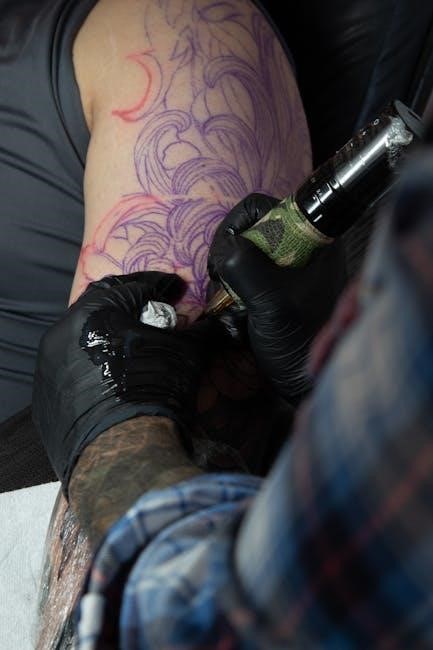
Numerous websites offer free tattoo PDF downloads, catering to diverse tastes. While convenient, be mindful of image quality and potential copyright restrictions. These sites often compile designs from various sources, so verifying originality is crucial.
Expect to find a broad range of styles, from simple flash designs to more complex illustrations. Common offerings include basic tribal patterns, floral motifs, and animal silhouettes. However, detailed or high-resolution designs are less frequent on free platforms. Always check the website’s terms of use before downloading and using any tattoo designs for personal or commercial purposes.

Paid Tattoo PDF Resources
Investing in paid tattoo PDF resources generally unlocks higher quality designs and more extensive collections. These often come from established tattoo artists or design studios, ensuring originality and professional execution. Expect detailed line work, varied shading techniques, and a wider range of styles compared to free options.
Purchasing PDFs can grant you exclusive access to unique artwork, reducing the risk of replicating someone else’s tattoo. Many platforms offer licenses specifying usage rights, clarifying whether the designs are for personal use only or can be modified for commercial purposes. Consider these resources for complex designs like Japanese Irezumi or intricate Polynesian patterns.
Tattoo Artist Portfolios as PDFs
Many tattoo artists now offer their portfolios as downloadable PDFs, providing a convenient way to showcase their skills and artistic range. These PDFs often feature high-resolution images of completed tattoos, categorized by style or theme, allowing potential clients to assess their work easily.
Reviewing an artist’s PDF portfolio is crucial for ensuring their aesthetic aligns with your vision. It demonstrates their proficiency in various techniques, color palettes, and design complexities. Directly contacting artists and requesting their portfolio PDF can be a proactive step in finding the perfect match for your desired tattoo, fostering better communication and collaboration.
Types of Tattoo Designs Found in PDFs
Tattoo PDFs encompass a vast spectrum of designs, catering to diverse preferences. Popular categories include intricate Tribal Tattoo Designs, often boasting over 47,300 illustrations, and delicate Bird Tattoo Designs, with collections exceeding 3,400 drawings.
Cultural influences are prominently featured, with extensive Polynesian Tattoo Designs and the elaborate artistry of Japanese Tattoo Designs (Irezumi) readily available. For those seeking precision and symmetry, Geometric Tattoo Designs offer a modern aesthetic. These PDFs serve as invaluable resources for inspiration, providing a wide array of styles and motifs to explore before committing to a design.
Tribal Tattoo Designs (47,300+ Illustrations)
Tribal tattoo designs, frequently found within extensive PDF collections – exceeding 47,300 illustrations – draw inspiration from indigenous cultures worldwide. These designs often feature bold, blackwork patterns, symbolizing heritage, strength, and spiritual connection.
PDFs dedicated to tribal art showcase variations from Polynesian, Maori, Borneo, and other tribal traditions. They offer a rich source of motifs like spirals, geometric shapes, and animal representations. Artists and enthusiasts utilize these resources to understand the cultural significance and artistic nuances of each style, ensuring respectful and informed tattoo choices.
Bird Tattoo Designs (3,400+ Drawings)
Bird tattoo designs, readily available in PDF format with collections boasting over 3,400 drawings, represent freedom, hope, and spiritual ascension. These PDFs encompass a diverse range of avian subjects, from delicate hummingbirds to majestic eagles, each carrying unique symbolism.
PDF resources often categorize bird designs by species, artistic style (realistic, watercolor, traditional), and symbolic meaning. Angel wings are a popular motif, frequently included within these collections. Users can explore various poses and compositions, aiding in the creation of personalized and meaningful tattoo artwork. These PDFs serve as excellent references for both artists and clients.

Polynesian Tattoo Designs
Polynesian tattoo designs, frequently found within tattoo PDFs, are deeply rooted in cultural heritage and storytelling. These intricate patterns, originating from islands like Samoa, Hawaii, and Tahiti, symbolize ancestry, protection, and personal journeys.
PDF collections showcase a wide array of motifs – from stylized waves and sharks to geometric representations of strength and courage. Understanding the meaning behind each element is crucial when selecting a Polynesian design. Many PDFs offer explanations of the symbolism, assisting users in choosing a design that resonates with their personal narrative. These resources are invaluable for respectful and informed tattoo choices.
Japanese Tattoo Designs (Irezumi)
Irezumi, traditional Japanese tattooing, is a prominent feature in many tattoo PDFs, celebrated for its artistry and symbolic depth. These designs often cover large portions of the body, depicting mythical creatures, historical scenes, and natural elements like koi fish, dragons, and cherry blossoms.
PDF resources dedicated to Irezumi provide detailed imagery and explanations of the associated meanings. Koi represent perseverance, dragons symbolize wisdom, and cherry blossoms embody the fleeting nature of life. Exploring these PDFs allows enthusiasts to appreciate the complex narratives woven into each tattoo. Careful consideration of symbolism is vital when adopting this rich artistic tradition.
Geometric Tattoo Designs
Geometric tattoo designs, frequently found within tattoo PDFs, are gaining immense popularity due to their clean lines, symmetry, and modern aesthetic. These designs range from simple shapes like triangles and circles to complex patterns like mandalas and sacred geometry.
PDF collections showcase a vast array of geometric options, often categorized by complexity and style. Many PDFs offer templates and guides for replicating these designs, or for using them as inspiration for custom work. The precision required for geometric tattoos makes detailed reference material crucial, and PDFs provide that clarity. They are often favored for minimalist or abstract expressions.
Legal Considerations When Using Tattoo PDFs
Utilizing tattoo PDFs requires careful attention to legal aspects, primarily concerning copyright and usage rights. Many designs within these PDFs are protected intellectual property, meaning direct reproduction without permission is illegal.
Always verify the licensing terms associated with the PDF or individual designs. Some PDFs offer designs for personal use only, prohibiting commercial application. Artist attribution is also crucial; even when permitted to use a design, acknowledging the original artist demonstrates respect and avoids potential legal issues. Failing to do so can lead to copyright infringement claims. Respecting these guidelines ensures ethical and legal tattoo practices.
Copyright and Usage Rights
Understanding copyright is paramount when working with tattoo PDFs. Designs are automatically protected by copyright law, belonging to the artist who created them. PDFs themselves don’t transfer ownership; they simply provide access to copyrighted material.
Usage rights dictate how you can legally utilize these designs. “Royalty-free” doesn’t mean “free to use without restrictions.” It typically means a one-time fee grants a license for specific uses. Personal use (getting a tattoo) is often permitted, but reselling or commercially exploiting the design is generally prohibited. Always check the license agreement accompanying the PDF to understand permitted and restricted uses.
Artist Attribution and Credit
Respecting the artist is crucial, even when using designs found in tattoo PDFs. While a PDF might facilitate access, it doesn’t negate the original creator’s rights or deserve recognition. Proper attribution involves acknowledging the artist when presenting or discussing a design, especially if sharing it online or with your tattoo artist.
Giving credit isn’t just ethical; it’s professional courtesy. If a PDF includes artist information, share that with your tattooist. Directly crediting the artist when posting images of your completed tattoo demonstrates respect for their work and fosters a positive community within the tattoo world. It also encourages further artistic creation!
Software for Viewing and Editing Tattoo PDFs
Adobe Acrobat Reader DC is a widely used, free program for simply viewing tattoo PDFs. It allows zooming, panning, and basic navigation of the document. However, for modifying PDFs – like adding notes or cropping designs – you’ll need more robust software.

PDF Editors (paid options) such as Adobe Acrobat Pro, PDFelement, or Foxit PDF Editor offer advanced features. These include text editing, image manipulation, annotation tools, and the ability to merge or split PDFs. These are beneficial if you want to customize a design before presenting it to your artist. Choosing the right software depends on your editing needs and budget;
Adobe Acrobat Reader DC
Adobe Acrobat Reader DC stands as the gold standard for viewing tattoo PDFs, and it’s completely free to download and use. This software reliably opens and displays PDF files, ensuring designs appear as intended. It offers essential functionalities like zoom capabilities for detailed inspection of intricate artwork, and panning to navigate larger designs.
While it excels at viewing, Acrobat Reader DC doesn’t allow for direct editing of the PDF content. It’s perfect for reviewing artist portfolios or examining pre-designed tattoo options, but for modifications, you’ll need a dedicated PDF editor. Its simplicity and widespread compatibility make it an ideal starting point.
PDF Editors (Paid Options)
PDF Editors, such as Adobe Acrobat Pro DC, PDFelement, and Foxit PDF Editor, unlock a higher level of functionality when working with tattoo PDFs. These programs allow for editing existing designs – adding notes, highlighting areas for modification, or even making minor adjustments to the artwork itself.

They’re invaluable if you’re collaborating with an artist and need to provide specific feedback directly on the PDF. Paid options also typically include features like form creation, document merging, and advanced security options. While requiring a financial investment, the enhanced control and editing capabilities can streamline the tattoo design process significantly.
Creating Your Own Tattoo PDF

Building a personalized tattoo PDF allows for curated inspiration and clear communication with your artist. Scanning existing artwork – sketches, flash sheets, or even photos of tattoos you admire – is a great starting point. Ensure high-resolution scans for optimal clarity.
Alternatively, digital design using software like Procreate or Adobe Photoshop offers complete creative control. Once your designs are finalized, exporting to PDF preserves image quality and ensures compatibility across devices. Consider organizing designs into categories or mood boards within the PDF for easy navigation and a cohesive presentation to your tattoo artist.
Scanning Existing Artwork
Digitizing traditional tattoo art begins with careful scanning. Use a high-resolution scanner – at least 300 DPI, but 600 DPI is preferable – to capture intricate details. Ensure proper lighting to avoid shadows and glare that can distort the image. Clean the artwork thoroughly before scanning to remove dust or debris.
Save the scanned image as a TIFF or PNG file to preserve quality. Avoid JPEG compression, as it can introduce artifacts. Once scanned, basic image editing may be needed to adjust brightness, contrast, and color balance. Finally, incorporate these high-quality scans into your tattoo PDF for a personalized reference collection.
Digital Design and Export to PDF
Creating original tattoo designs digitally offers immense flexibility. Utilize software like Procreate, Adobe Photoshop, or Illustrator to craft unique artwork. Design in high resolution – 300 DPI is standard – to ensure clarity when printed or viewed on screen. Layer your designs for easy editing and adjustments.
Once complete, export your artwork as a PDF. When exporting, select options that preserve image quality and vector data (if applicable). Consider embedding fonts to maintain consistent appearance across different devices. A well-structured tattoo PDF should be easily navigable and visually appealing for both personal use and artist collaboration.
Using Tattoo PDFs with Your Tattoo Artist
Tattoo PDFs serve as excellent communication tools with your artist. Sharing a PDF allows for precise design conveyance, minimizing misinterpretations. It’s crucial to discuss your ideas beforehand, using the PDF as a visual aid.

Don’t present a PDF expecting a direct copy; instead, view it as reference material for a custom design. Highlight specific elements you like, discuss desired modifications, and collaborate on placement and size. A skilled artist will use the PDF as inspiration, tailoring the design to your body and artistic style, ensuring a unique and personalized tattoo.
Communication and Collaboration
Tattoo PDFs facilitate clearer communication between you and your artist. Instead of vague descriptions, a visual reference streamlines the design process. Use PDF annotations to pinpoint desired elements – specific lines, shading styles, or overall composition – fostering a shared understanding.

Collaboration is key; don’t treat the PDF as a rigid blueprint. Discuss what resonates with you, and be open to the artist’s expertise. They can suggest improvements regarding anatomy, longevity, and aesthetic balance. A successful tattoo emerges from a dialogue, where the PDF serves as a starting point for a truly personalized piece of art.
Reference Material for Custom Designs
Tattoo PDFs aren’t just for copying existing designs; they’re invaluable for building custom tattoos. Compile a PDF collection of elements you admire – a bird’s wing from one source, geometric patterns from another, and tribal motifs from a third.

Present this curated PDF to your artist as inspiration. It demonstrates your aesthetic preferences and provides a visual language for discussing your vision. The artist can then synthesize these references, creating a unique design tailored to your body and style. Think of the PDF as a mood board, guiding the creative process towards a truly original tattoo.
The Future of Tattoo PDFs and Digital Design
Tattoo PDFs are evolving alongside digital art tools. Expect increasingly interactive PDFs, potentially incorporating 3D models to visualize designs on the body. Augmented reality integration could allow “try-on” previews using smartphones.
AI-powered PDF tools might analyze design preferences and generate personalized tattoo suggestions. Furthermore, blockchain technology could emerge, verifying artist authenticity and protecting design copyrights within PDF formats. The trend towards digital portfolios will continue, making high-quality tattoo PDFs even more accessible. Ultimately, the future blends artistic skill with technological innovation, enhancing the entire tattoo experience.